


Slips, trips and falls at the same level
Unlike falls when working at heights (common within construction and manufacturing industries), incidents involving Slips, Trips and Falls (STF) at the same level, can happen in any workplace, at any time. These incidents occur when a person loses balance on the same level, often due to slips, trips or missteps.
Slips and trips together with the resulting falls may lead to:
- Musculoskeletal disorders (sprains, strains or other soft tissue injuries)
- Back injury due to the sudden and forceful impact during a fall
- Permanent long-term injuries/impairments
- Burns if it occurs near hot surfaces or if the person is handling hot fluids
- Cuts if it occurs near sharp objects.
Causes of slip, trips and falls
| Slips | occur when there is too little friction or traction (loss of grip) between footwear and the walking surface leading to loss of balance. |
| Trips | occur when a person’s foot hits a low obstacle in the person’s path, causing a loss of balance and a likely fall. Often, the obstacle is not easily visible or noticed. |
| Falls | occur due to slips, trips or loss of balance leading to an uncontrollable descent to the ground from the same level or a height. |
| Misstep | commonly occur when a person unexpectedly steps down to a lower surface, such as missing a bottom step, or steps partially beyond the edge of an unseen change in the walking surface, resulting in a loss of balance. |
STF incidents usually involve a combination of multiple and interacting contributing factors rather than a single cause (Figure 1).
Factors that contribute to the risk of STF can influence directly (e.g. poor lighting) or indirectly (e.g. poor planning resulting in lack of designated walkways). Understanding how these factors potentially interact together and contribute to STF is key to effectively preventing incidents.
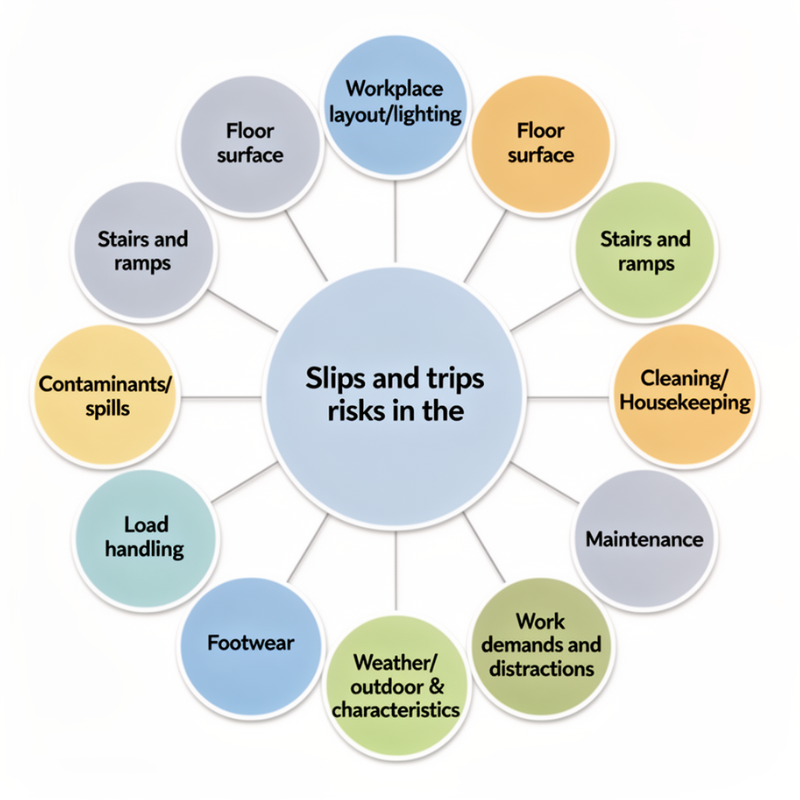
Figure 1 – Factors that influence the risk of slips trips and falls at the same level
The guide to preventing slips, trips and falls at work provides further guidance on each specific factor to helps you understand and manage the risk.
Some of the common sources of risk within indoor environments that could lead to STF include:
- contaminants or spills (liquids, water, grease, oil, dust or paper)
- uneven floor surfaces,
- changes to flooring/traction types (concrete to carpet)
- sloping surfaces, ramps
- poorly maintained floor surfaces, i.e. worn carpet
- cleaning products/methods that results in slippery floor surfaces
- cluttered or inadequate space to perform tasks
- inadequate lighting in the work areas
- lack of appropriately marked walkways, edges or steps
- poor colour contrast between changes in surface heights, steps and stairs.
- loose cords and cables
- lack of or inappropriate use of aids/equipment to reach items or products stored at a height.
Other common sources of risk in outdoor environments may include:
- poor lighting when exiting and entering vehicles
- weather conditions
- footwear is inappropriate for environmental conditions
- uneven ground surfaces, holes and cracks
- uneven or inconsistent step heights
- plant growth or other contaminants (grass, moss, lichen)
- pets and other animals
In addition to the working environment, it is also important for a person conducting a business or undertaking (PCBU) to consider and minimise the individual, organisational factors, which may contribute and increase the likelihood of a STF incident occurring, these may include factors such as:
- load handling which obstructs vision
- distractions (mobile phones/tablet, displays, flashing lights, noise)
- high workload demands and time management (rushing, taking shortcuts)
- poor planning, scheduling and coordination of work activities
- poor communication of work procedures
Managing slips, trips and falls risks
The way to prevent slips, trips and falls injuries in your workplace is to develop a risk management approach to identify all relevant factors which may be obvious and those that are not so evident, so that action is taken towards what needs to be addressed in the most effective way.
Use the following information, together with the slips, trips and falls risk management tool and incident worksheet.
Identifying and assessing hazards
Identifying hazards is the first step to determine exactly where slips, trips and falls can or have occurred in your workplace. You can find out this information by:
- talking to workers and supervisors about potential STF hazards
- regularly inspecting the premises where STF could occur
- reviewing records such as incident and injury reports
- sketching or mapping a layout of the work area and marking on it where STF incidents or potential hazards.
Use this information to assess the risk and prioritise wat needs to be addressed by considering:
- how many people are exposed
- the consequences of the slip, trip or misstep
- how often the situation occurs.
It is important to have a look at all the risk factors so that the solution properly addresses the risks.
Controlling the risk
Look at the assessed risks and decide what needs to be done to eliminate or reduce the risks and how quickly these control measures need to be implemented. Think beyond a short-term solution and consider how people can safely move around the workplace, including in an emergency.
When seeking solutions:
- use the hierarchy of control to guide you choose the solution that most effectively eliminates or minimise the risk
- consult workers and other relevant parties such as cleaning contractors about the problem and ways to make the most appropriate changes
- solutions may involve a single control measure or a combination of two or more different controls to best address the risk.
To implement the most effective controls you should:
- allow workers to trial controls and get their feedback before decisions are made to make them permanent
- develop work procedures to ensure that controls are understood and responsibilities are clear
- communicate the reasons for the change to workers and others
- ensure that any equipment used is properly maintained
- provide training to ensure workers can competently implement the risk controls.
Figure 2 provides examples of solutions based on the hierarchy of control. For further detailed controls, refer to ‘guide to preventing slips, trips and falls at work’
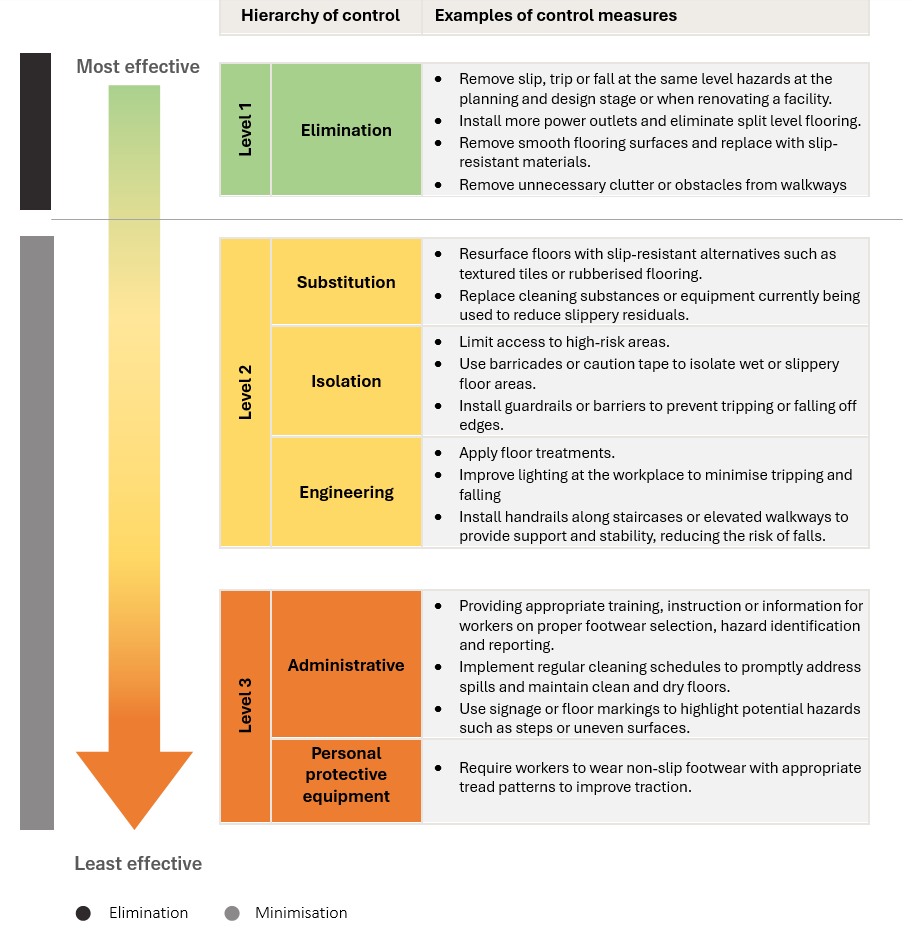
Figure 2. Hierarchy of controls for slips trips and falls
Monitor and review
Control measures that have been put in place must be monitored and reviewed, and, if necessary, revised to make sure they work as planned.
You should review control measures:
- when the control measure is no longer effective
- before a change that is likely to create a new or different risk
- if a new hazard is identified
- if consultation indicates a review is necessary
- if a health and safety representative requests a review.
Refer to the web guidance for advice on managing the issues that contribute to risk including contamination, cleaning, floor surfaces, housekeeping, obstacles, environment, people and activity, external areas, footwear and design considerations.
Additional Resources:
- Guide to managing the risks of slips, trips and falls - Safe Work Australia
- Managing the risks of fall in the workplace - Code of Practice (external site) (PDF)
- Guide to preventing slips, trips and falls
- Slips, trips and Falls systems self-assessment tool - Workplace Health and Safety, Queensland (external site) (PDF)
- Working at heights
- Safe use of ladders
- Slips, trips and falls at the same level incident worksheet
- Slips, Trips and Falls Safety Scan – Auto Workshops
- Service pits in automotive workshops | SafeWork SA