


26 October 2026
The State Government has extended the commencement timeframe for new Workplace Exposure Limit (WEL) regulations for grain dust, methyl bromide and flour dust following consultation with South Australian producers.
It comes after the Government agreed earlier this month to delay commencement of new WELs for phosphine following approaches from South Australian grain producers.
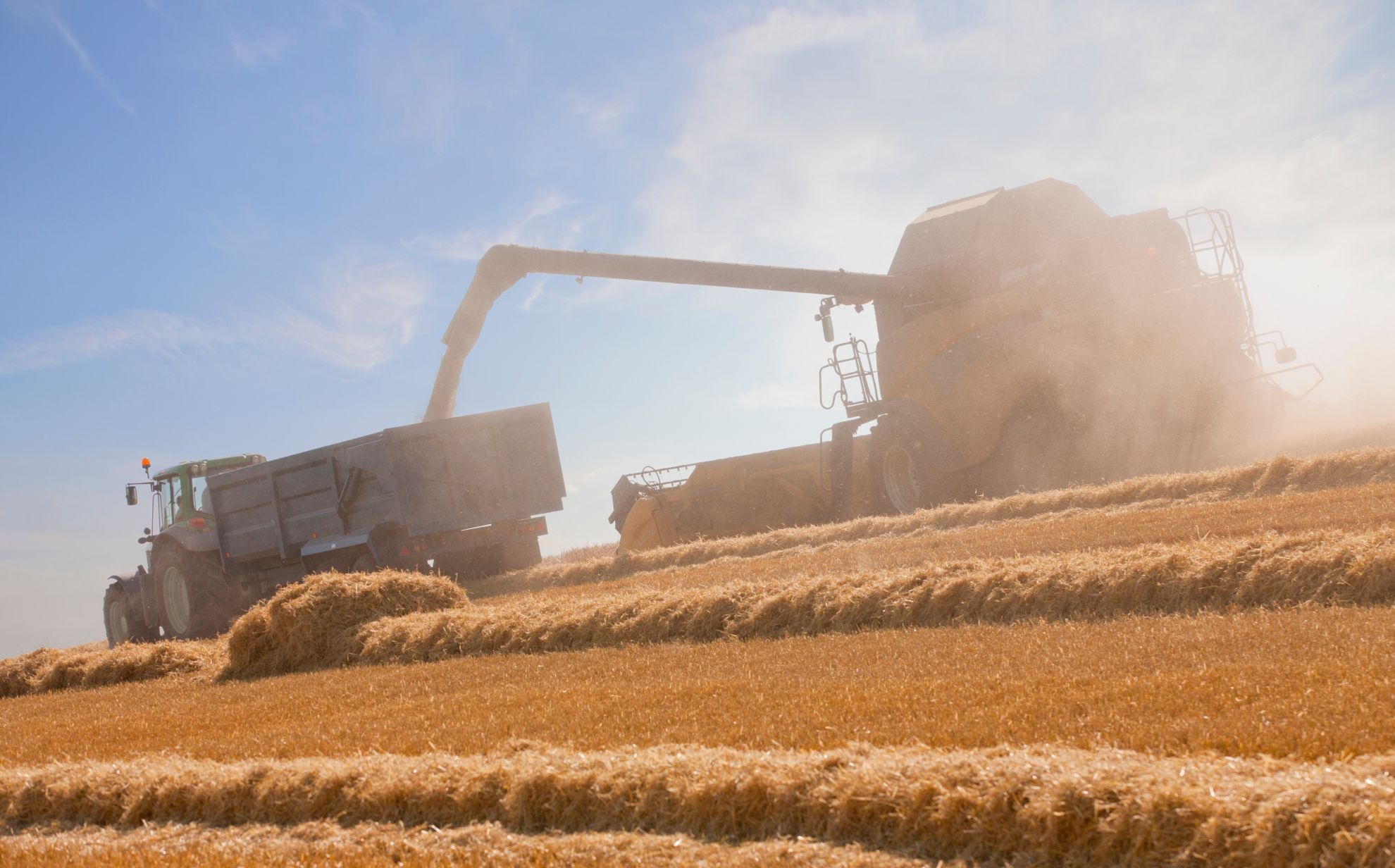
Grain dust is generated during the harvesting, storage, handling and transport of grain including wheat, barley and oats, while flour dust is generated from handling and processing of flour and grain products and primarily affects workers in milling, baking and food manufacturing industries.
Methyl bromide is a fumigant used for pest control and quarantine purposes, including within the grain supply chain and export activities. WELs are fixed at a national level through SafeWork Australia, with implementation left to individual state and territory jurisdictions.
The new WELs for grain dust, flour dust and methyl bromide were due to commence on 1 December 2026.
The grain industry, represented by Grain Producers SA and Grain Producers Australia, and the Australian Industry Group (AIG) have raised concerns about being able to demonstrate compliance with the revised WELs and implement the necessary workplace controls before 1 December.
Following consultation with industry, the State Government has determined there will be an extension of at least 18 months before the commencement of new WELs for grain dust, flour dust and methyl bromide, with the new limits to now take effect from no earlier than July 2028.
This will ensure there is no disruption to the coming two grain harvest seasons, and provide time for detailed discussion and consultation between industries, SafeWork SA, and other authorities about the impacts of the proposed WELs.
Similar moves have been made in Victoria, where implementation of new WELs for phosphine, grain dust, flour dust and methyl bromide has also been delayed, and in Western Australia, where implementation of the new WEL for phosphine has been delayed.
SafeWork SA will also work in collaboration with the grain industry and AIG to deliver specific guidance, education and support on other WELs including grain dust.